2026-10-10 · Mike Ellison
Does Homeowners Insurance Cover Roof Leaks? (Claims Guide)
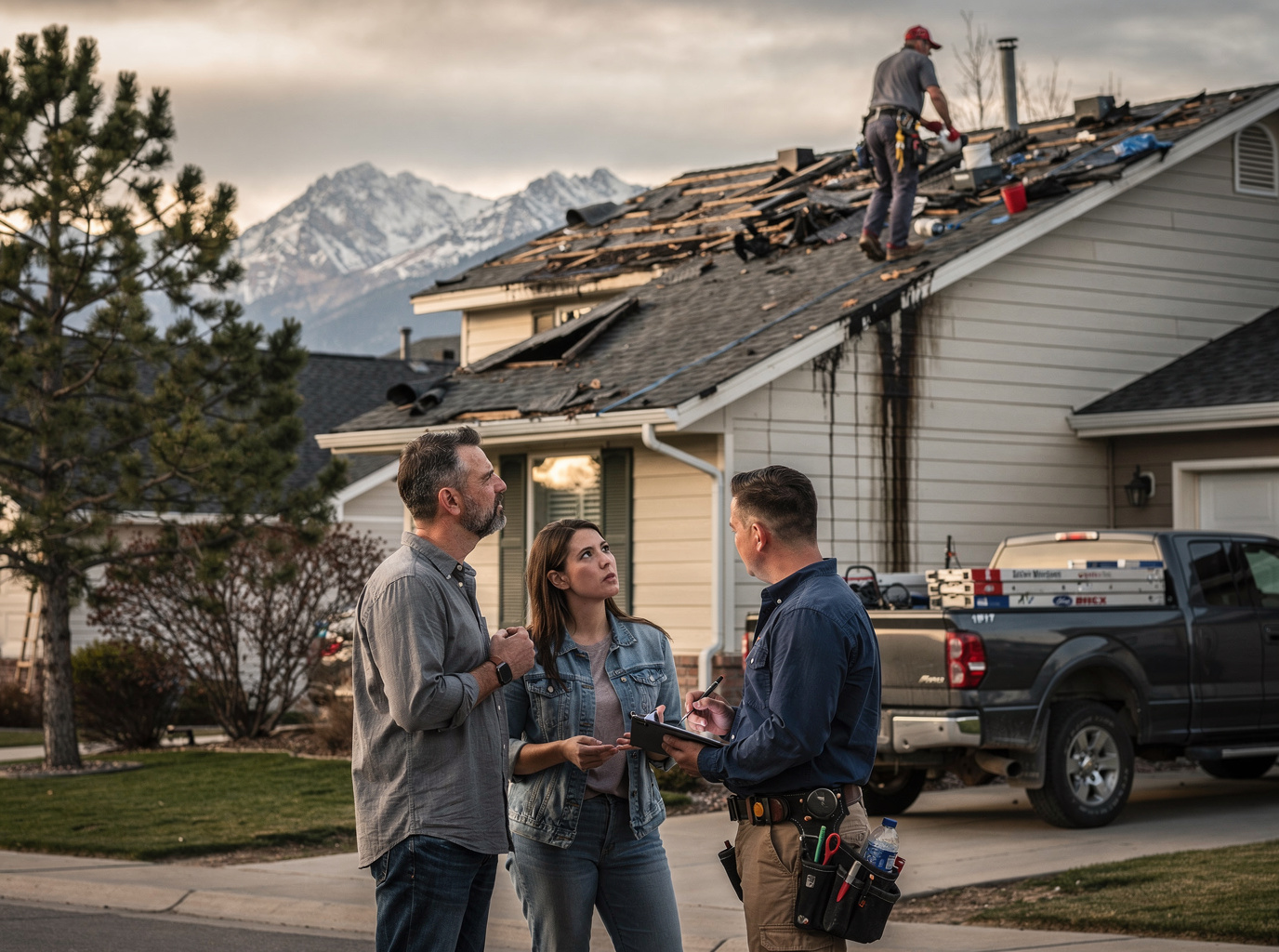
Homeowners insurance in Arvada typically covers roof leaks caused by sudden covered perils such as hail, wind, or falling debris but does not cover leaks from age-related wear or poor maintenance. Policies in Jefferson County treat storm-driven damage differently than gradual deterioration common on older homes in Olde Town Arvada and West Arvada. Claims require proof that the leak stems from an event rather than normal aging under the region's sunny, semi-arid conditions.
Covered Perils for Roof Leaks in Arvada
Insurance policies in Jefferson County usually pay for leaks triggered by hail, high winds, or heavy snow when these events cause sudden damage. Arvada sees frequent hail and chinook winds that can tear shingles or force water under flashing on homes built in the 1960s through 1990s. Hail Damage Roof Repair crews often document granule loss and punctures that qualify as covered events. Wind-driven rain during spring storms can also open seams on older asphalt roofs in Ralston Creek neighborhoods. Documentation with photos taken before any repairs helps adjusters separate storm impact from the 15- to 20-year lifespan of standard shingles exposed to intense UV. Policies rarely cover leaks from clogged gutters or unsealed penetrations that develop over time.
Exclusions That Affect Claims in West Arvada
Most policies exclude leaks from normal wear, deferred maintenance, or poor ventilation common in homes near Majestic View Nature Center. Gradual granule loss from the area's 300-plus sunny days per year does not trigger coverage. Adjusters frequently deny claims when water stains appear along valleys or around skylights without evidence of a recent storm. In West Arvada, soil movement from freeze-thaw cycles can crack flashing, yet this counts as maintenance rather than a covered peril. Homeowners should review the wind and hail deductible, often 1% to 2% of dwelling coverage, before filing. Storm Damage Roof Repair teams note that missing documentation of the triggering event leads to most denials in Golden and Westminster border areas.
Step-by-Step Claims Process After a Leak
Begin by documenting the leak with dated photos and videos showing interior water stains and exterior damage. Contact your insurer within 24 to 48 hours and request an adjuster visit before any permanent repairs. Provide weather reports confirming hail or wind events that hit Arvada on specific dates. An independent inspection can measure shingle damage in squares and note uplift or granule loss that matches storm patterns. Keep all receipts for temporary measures such as Emergency Roof Tarping if water continues to enter during the claims wait. If the adjuster undervalues the scope, request a reinspection and reference the How Chinook Winds and Hail Damage Roofs in Arvada article for local examples of covered versus excluded damage.
Local Factors That Influence Approval in Olde Town Arvada
Homes in Olde Town Arvada often feature steeper pitches and older underlayment that react differently to the same storm compared with newer builds in Candelas. The semi-arid climate produces rapid temperature swings that can worsen wind-driven leaks around chimneys and vents. Adjusters familiar with Jefferson County look for matching damage across multiple roofs on the same block to confirm a weather event. Proximity to Denver means some carriers apply regional hail maps that show higher frequency in Arvada than in Westminster. Clear communication with your contractor about the exact location of the leak helps tie the damage to the reported date of loss rather than ongoing exposure.
When to Consider Additional Steps
If the claim is denied, review the denial letter for the specific policy language and consider a public adjuster for complex cases involving multiple leaks. Roof Leak Detection & Inspection can identify hidden moisture that may support a supplemental claim. Keep records of all communications and note any differences between interior and exterior damage assessments. Policies in the region sometimes include ordinance or law coverage that pays for code upgrades during repairs on older homes. This coverage can add 10% to 25% to the settlement when bringing a 1970s roof up to current standards after an approved storm claim.